September 14, 2026
Excavation is a fundamental part of many property improvement and construction projects, but the work required can vary considerably from one site to another. Residential properties may require focused groundwork for a basement, driveway, or yard, while commercial developments often involve more extensive clearing, grading, and site preparation.
Understanding the scope of an excavation project is essential for planning construction, budgeting accurately, and preparing a property for its intended use. Excavation can involve relatively simple residential work, such as leveling a yard, or extensive commercial site preparation that requires substantial earthmoving and grading. Each project presents its own combination of site conditions, dimensions, access considerations, and construction requirements.
The amount of work involved can also affect how long a project takes. According to HomeGuide, smaller excavation jobs generally require one to three days, while larger projects or properties with rocky soil, rock shelves, or large boulders may take up to three weeks or more. Recognizing these differences helps property owners understand why excavation schedules and processes can vary significantly from one site to another.
Preparing for Residential Construction
Preparing Foundations and Basements
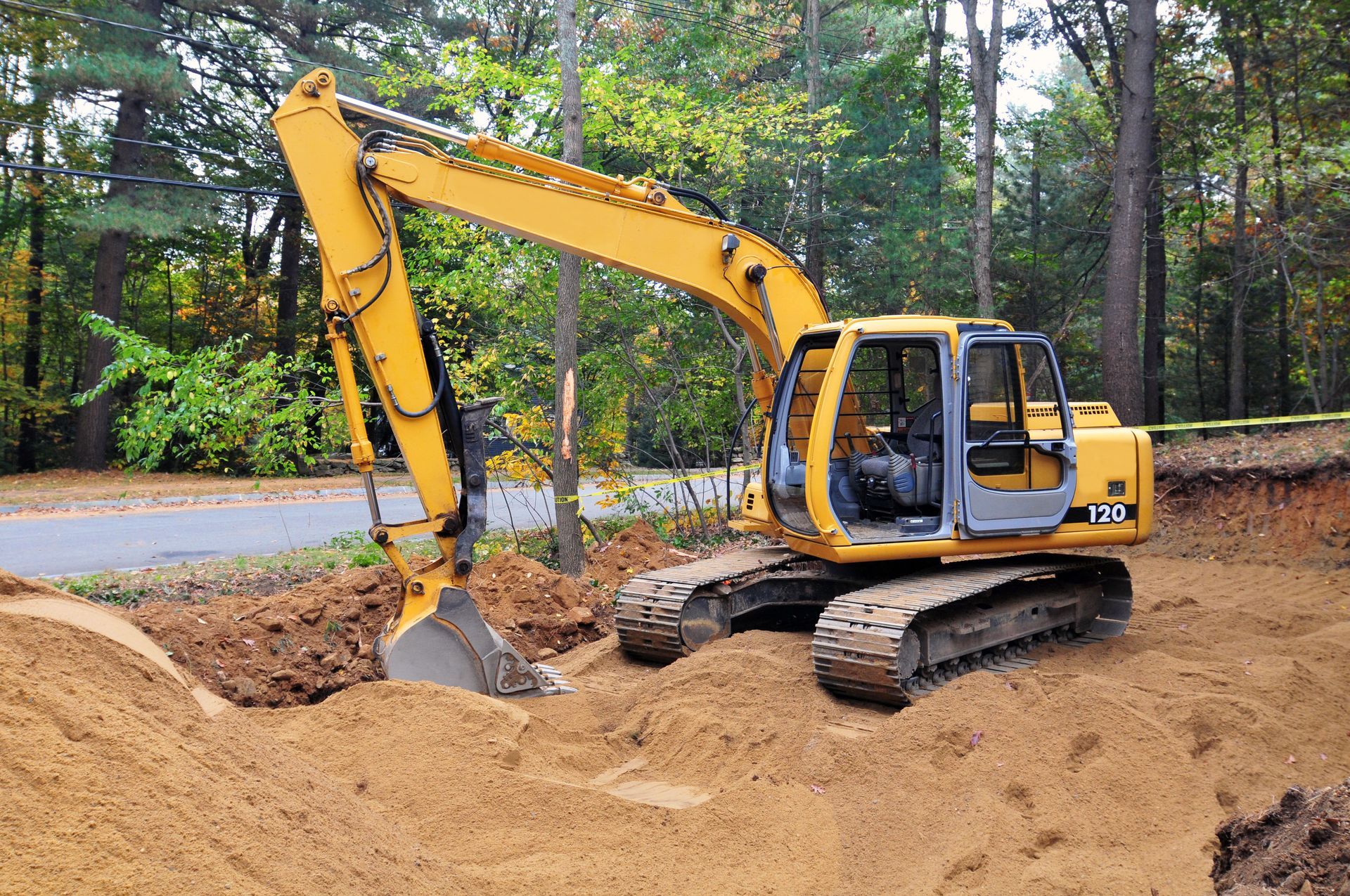
Residential excavation often begins with preparing the ground for a new home, addition, garage, or other structure. Foundation excavation requires careful attention to the planned dimensions and depth because the resulting space must accommodate the foundation according to the construction plans. Basement digging can involve removing substantial amounts of soil while maintaining appropriate grades around the excavation area. Professional excavating services help create the physical space needed before foundation work can begin.
Residential projects can also include excavation for crawl spaces, retaining structures, and other improvements that require changes to the existing grade. The crew must account for soil composition, drainage, property boundaries, and the location of nearby structures. Working carefully around an occupied property is particularly important because excavation equipment needs adequate access without unnecessarily disturbing landscaping, driveways, or other established features.
Improving Driveways and Yards
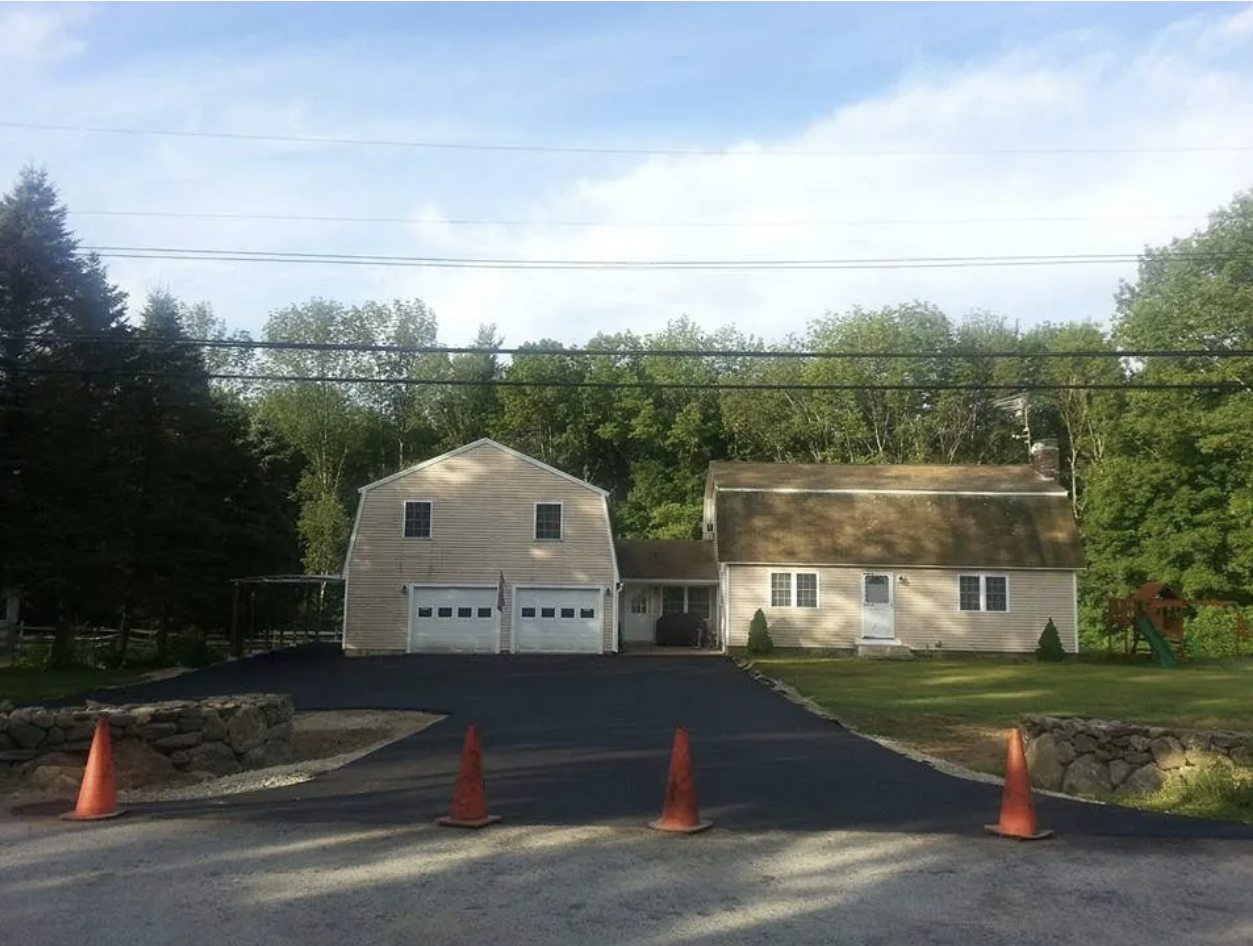
Not every residential excavation project involves a new building. Homeowners may need excavation to prepare a driveway, private road, walkway, patio, or other outdoor improvement. Proper preparation beneath these surfaces can help establish appropriate grades and drainage while creating a stable base for the finished material. Excavating services may involve removing unsuitable soil, reshaping the ground, and preparing the area for paving or another surface.
Yard leveling is another common residential application. Uneven terrain can make portions of a property difficult to use and may contribute to drainage problems. Excavation crews can reshape the ground to create a more functional surface for landscaping, recreation, outdoor living areas, or future improvements. Even projects that appear relatively simple from the surface can require careful planning to achieve the desired elevation without creating drainage issues elsewhere on the property.
Supporting Large-Scale Commercial Development
Clearing and Preparing Development Sites
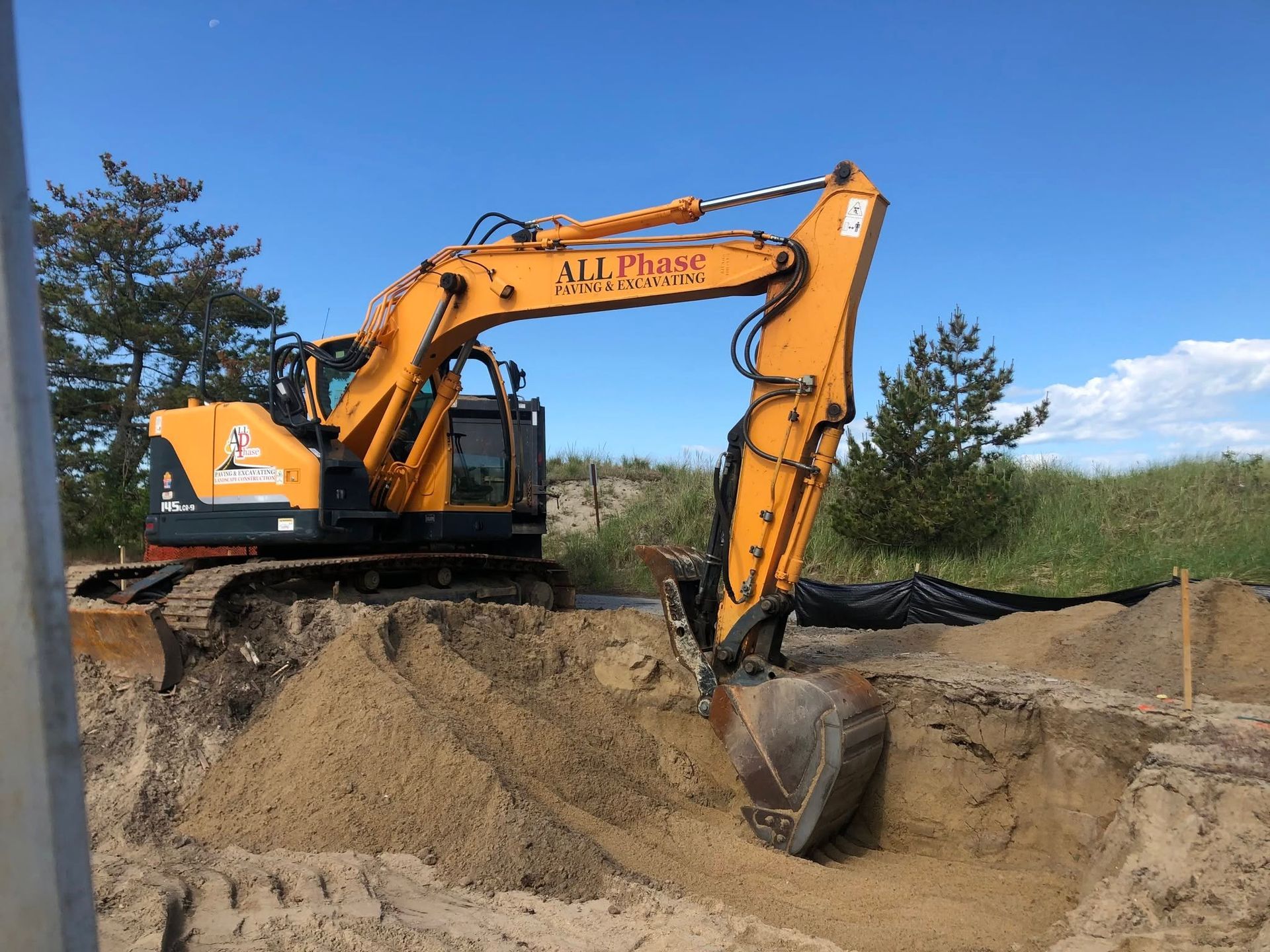
Commercial excavation generally involves a larger area and more extensive preparation than a typical residential project. Before construction can begin, a site may require clearing, grading, demolition, and substantial earth removal. Excavation crews can help transform undeveloped or previously occupied property into a workable construction site by removing obstacles and establishing the elevations required by the project plans. Professional excavating services are often an important early component of commercial development because the quality of the initial site preparation can influence subsequent construction activities.
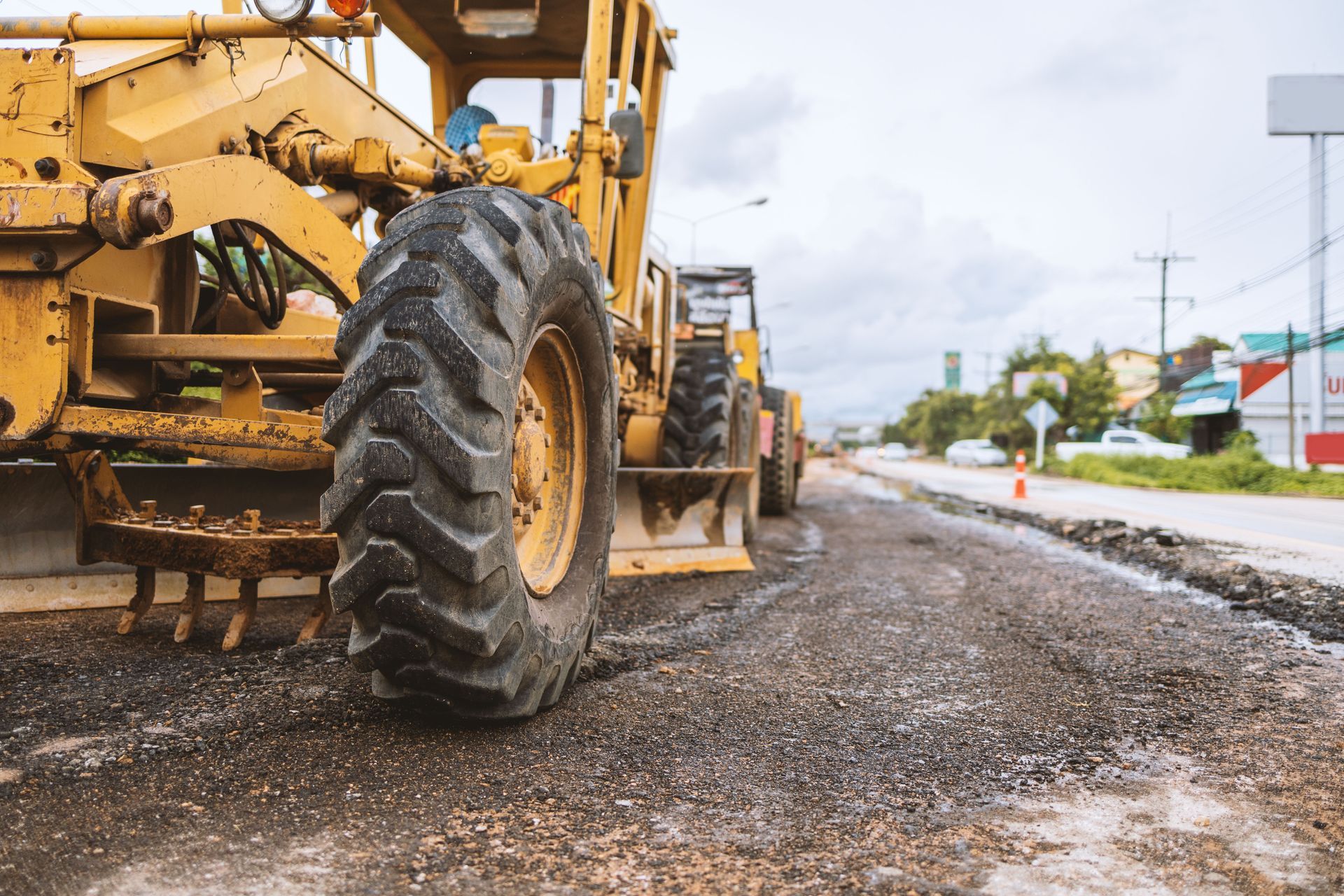
Large commercial properties may also require extensive grading to establish appropriate slopes and drainage patterns. Parking areas, access roads, building pads, and other portions of the site must be prepared according to the project's specifications. The work may require moving significant quantities of soil from one area to another rather than simply removing material from the property. Careful coordination is necessary to keep the site organized and ready for the next stages of construction.
Managing Utility and Structural Excavation
Commercial sites frequently involve excavation for utilities and structural components. Trenches may be required for water lines, drainage systems, electrical infrastructure, or other underground services. Structural excavation can also extend well beyond the footprint of a typical residential foundation, depending on the size and design of the building. Excavating services for these applications require precise digging and an understanding of the plans, required depths, and surrounding site conditions.
Safety and site coordination become especially important as project size increases. Commercial excavation may take place alongside other contractors, construction equipment, deliveries, and ongoing site activities. Crews must work within established plans while identifying potential hazards and accounting for underground utilities before digging. Experience with larger projects can help an excavation contractor organize the work efficiently while maintaining appropriate safety practices throughout the process.
Identifying Factors That Determine Project Scope
Soil, Terrain, and Site Conditions
The physical characteristics of a property can significantly affect the complexity of excavation. Soil that is easy to remove may allow a crew to progress efficiently, while dense, compacted, or rocky ground can require substantially more effort. Rock shelves and large boulders may also need to be removed before the planned excavation can reach the necessary depth. These conditions can affect equipment requirements, labor, disposal needs, and the overall project schedule.
Terrain presents additional considerations. A sloped property may require more extensive grading than a relatively level site, particularly when the finished project depends on specific elevations for drainage or structural requirements. Existing vegetation, structures, pavement, and other obstacles can also influence how crews access and prepare the site. Before work begins, evaluating these factors helps establish a practical scope and provides a clearer understanding of what the excavation process will involve.
Project Planning and Site Preparation
The intended use of the property is another major factor in determining the appropriate excavation approach. A homeowner preparing a yard for landscaping may need a very different scope of work than a developer preparing an entire commercial property for construction. Excavation plans should account for the finished elevations, foundation requirements, drainage, access, material handling, and other elements that affect how the ground must be prepared. Professional excavating services can be scaled to accommodate these varying requirements.
Good planning also helps reduce complications once excavation begins. Site assessments can identify potential obstacles, access limitations, and existing conditions that may affect the work. Depending on the project, permits and local requirements may also need to be addressed before digging starts. Experienced contractors can help property owners understand these considerations and coordinate excavation with the broader construction schedule. Excavating services performed with the final project in mind can create a better starting point for foundations, pavement, utilities, landscaping, and other improvements.
Excavation encompasses a broad range of projects, and the difference between a small residential job and a major commercial development can be substantial. Residential work may focus on basements, foundations, driveways, sidewalks, or yard grading, while commercial projects can involve large-scale clearing, grading, utility trenches, and structural excavation. In every case, the appropriate scope depends on the property's conditions and the goals of the project.
Choosing a contractor with experience across different types of excavation can make it easier to address the specific demands of a site. From initial ground preparation through the final grading work, careful excavation establishes the foundation for what comes next. When the scope is properly evaluated and the work is performed with attention to terrain, drainage, safety, and construction requirements, the property can be prepared for its next stage with greater efficiency and purpose. Contact All Phase Paving & Excavating today to discuss your project scope and request a free estimate for our excavating services!