March 18, 2026
Excavating companies play a critical role in the construction industry, ensuring that sites are prepared properly for building projects. Proper site preparation not only supports structural integrity but also enhances safety and overall project efficiency. From assessing the land to implementing environmental controls, excavation involves detailed planning and precise execution. By understanding the methods these companies use, clients and stakeholders can appreciate how foundational work sets the stage for successful construction. A well-prepared site reduces risks, prevents delays, and lays a reliable foundation for structures that can stand the test of time.
Assessing the Site Thoroughly
The first step in site preparation is a comprehensive assessment of the land. Surveying the site establishes accurate measurements and topographic details, allowing teams to anticipate potential challenges such as slopes, uneven terrain, or water runoff areas. Specialized equipment and experienced professionals create detailed maps and models, which guide machinery deployment and resource allocation.
Soil testing is another vital component, determining the land’s composition, bearing capacity, and overall stability. Borehole sampling and laboratory analysis inform excavation strategies and soil stabilization efforts, preventing structural failures or costly delays. Environmental impact studies are conducted to predict effects on local ecosystems and comply with state and federal regulations. These studies guide adjustments to minimize ecological disruption and demonstrate a commitment to sustainable construction practices.
Locating underground utilities is equally essential. Excavating companies must map gas, water, electricity, and telecommunications lines to avoid accidents and service disruptions. Specialized detection equipment ensures that excavation does not damage existing infrastructure, which could lead to safety hazards and costly repairs. Geotechnical investigations further assess subsurface conditions such as groundwater levels, rock layers, and soil moisture. The insights gained from these investigations allow engineers to make informed decisions about materials, techniques, and safety measures, ensuring the project aligns with the realities beneath the surface.
Planning and Budgeting Effectively
Once the site is assessed, excavating companies develop detailed plans to ensure a smooth workflow. Comprehensive site preparation plans outline every step, from labor and equipment requirements to contingency measures for unexpected obstacles. These plans help optimize resource allocation and reduce project delays, providing a clear roadmap for the construction team. Erosion and sediment control plans protect the environment by preventing soil runoff into waterways or neighboring properties. Techniques such as silt fences, sediment basins, and temporary vegetation help stabilize soil while complying with environmental regulations. Such systems are often required by local authorities and demonstrate a company’s commitment to responsible construction practices.
Budgeting and cost estimation are critical components of successful site preparation. Excavating companies analyze material, machinery, and labor needs to allocate resources efficiently and maintain financial compliance. According to IBISWorld, purchases make up about 36% of the costs for excavation contractors, highlighting the significant investment required in equipment and supplies. Cost planning also involves forecasting unexpected expenses and identifying opportunities to reduce waste without compromising quality.
Risk management is another essential aspect of planning. Excavating companies anticipate potential hazards, from environmental issues to safety challenges, and create mitigation strategies to maintain project timelines. Obtaining necessary permits is a non-negotiable step, ensuring all excavation activities comply with local and national regulations. Failing to secure permits can halt a project and result in fines or legal consequences, making this step a cornerstone of responsible site preparation.
Mobilizing Equipment and Workforce
With plans in place, excavating companies mobilize the right machinery and skilled personnel for the project. Procuring equipment such as excavators, bulldozers, loaders, and specialized vehicles is critical to handling site-specific challenges effectively. Companies may choose to purchase or rent machinery depending on project scope, budget, and expected usage. Well-maintained equipment ensures minimal downtime, maximizing productivity and maintaining schedule reliability.
Temporary infrastructure, including site offices, storage units, and utility setups, is established to support on-site operations. Strategic placement ensures that these structures do not interfere with excavation activities while providing essential amenities for the workforce. Transporting materials and personnel requires careful planning and scheduling, ensuring timely delivery to avoid delays.
Safety protocols are a top priority. Excavating companies implement comprehensive training programs and conduct regular audits to ensure adherence to safety standards. Site access and traffic management plans reduce congestion, facilitate emergency access, and maintain public safety in neighboring areas. By establishing organized operational systems, excavating companies create an environment where work can proceed efficiently and safely.
Executing the Excavation Process
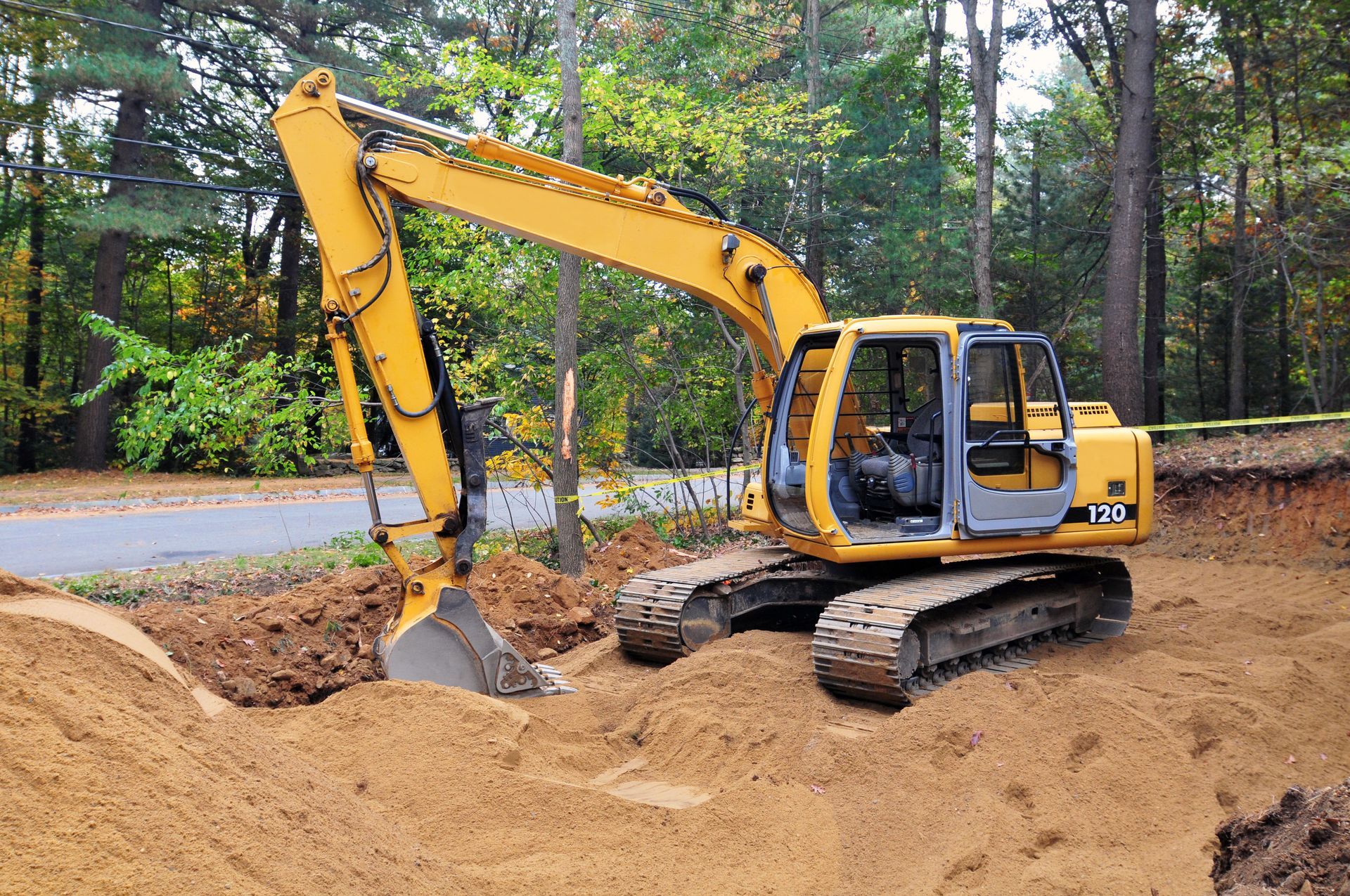
Once mobilization is complete, the practical excavation begins. Site clearing removes vegetation, debris, and any obsolete structures, creating a clean and safe working area. Advanced machinery and careful planning ensure that clearing minimizes environmental impact while preparing the site for the next steps.
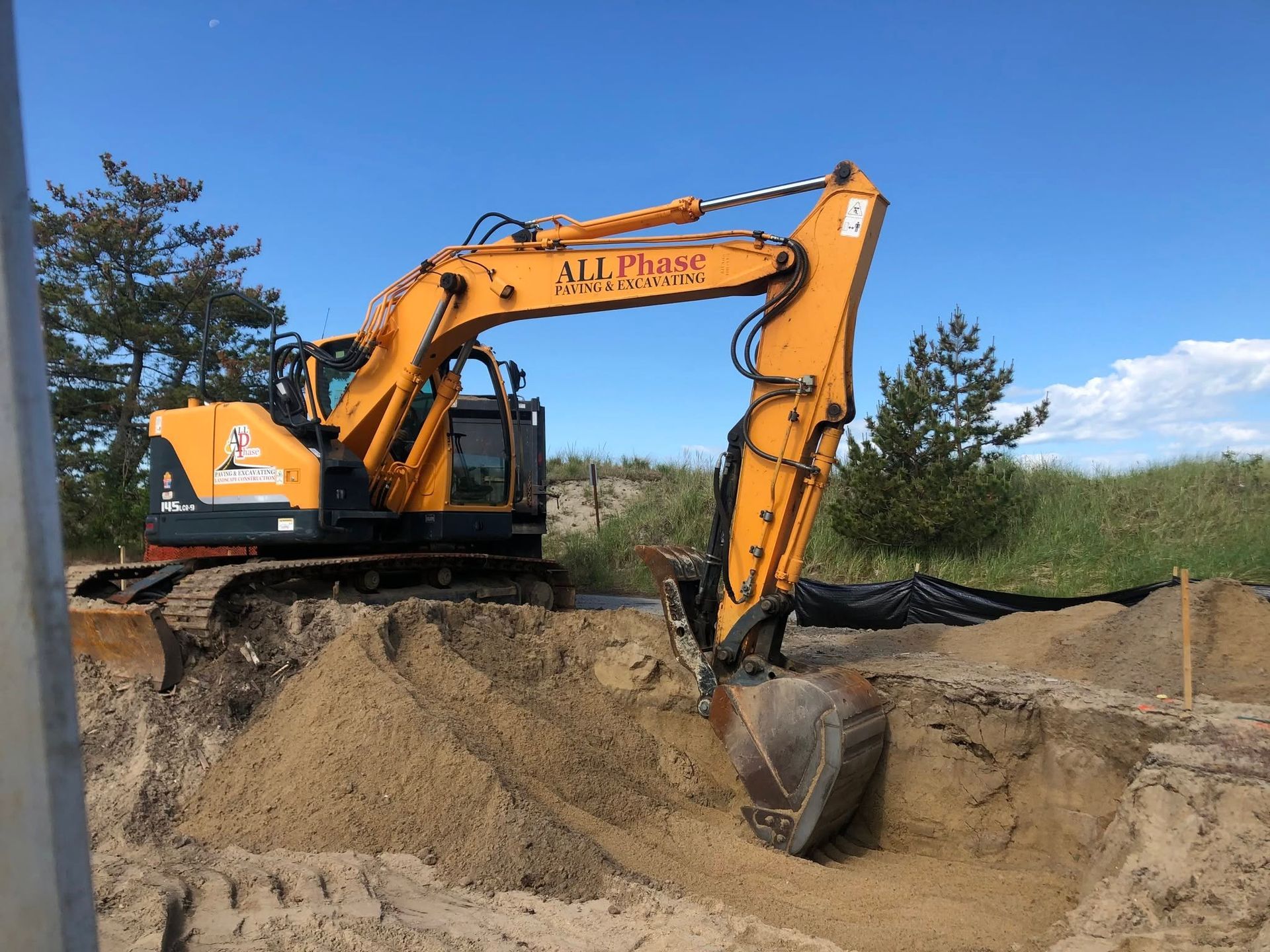
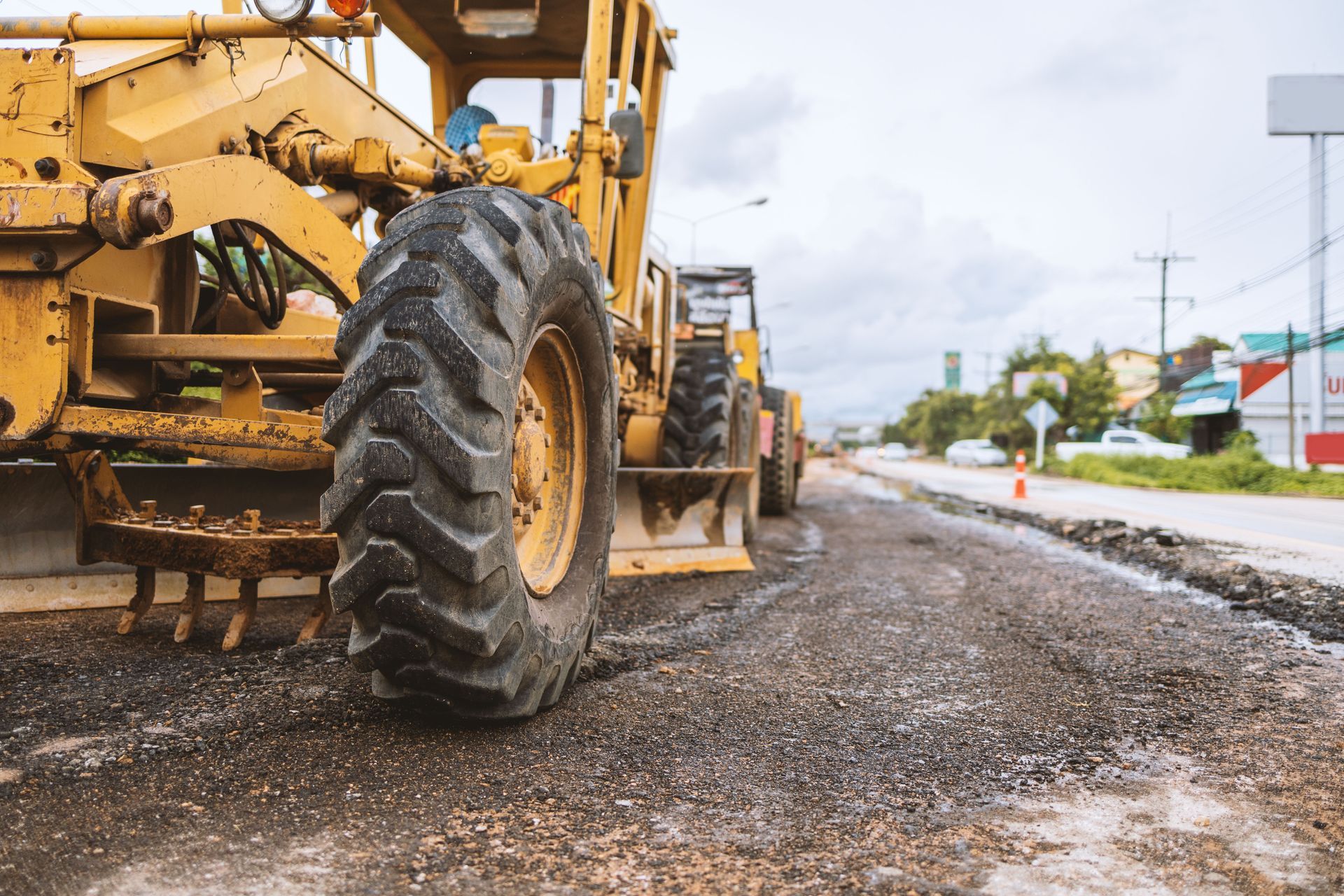
Excavating and grading involve precise digging and leveling to support drainage and foundational stability. Proper grading prevents water accumulation, erosion, and uneven settlement, which are critical factors for long-term structural integrity. Trenching is conducted to lay utility lines such as water, sewage, and electrical conduits. Proper trenching ensures correct alignment with project specifications, integrating essential services seamlessly.
Foundation excavation sets the base for structural components, and on-site soil management ensures that excavated soil is stored, redistributed, or reused efficiently. Dust and noise control measures, such as water spraying, sound barriers, and equipment maintenance, minimize the impact on nearby communities and comply with regulatory standards. These practices highlight the professional and ethical standards maintained by leading excavating companies.
Ensuring Quality and Compliance
Quality control is a critical part of every excavation project. Soil compaction tests confirm that ground conditions meet engineering specifications, providing a reliable base for construction. Continuous geotechnical monitoring tracks subsurface conditions, enabling proactive responses to any shifts or irregularities. Routine site inspections ensure that work adheres to project plans, safety protocols, and regulatory codes.
Compliance with local, state, and federal regulations underscores the professionalism of excavating companies. Adhering to these standards ensures public safety, environmental protection, and legal accountability. Detailed documentation of progress, challenges, and solutions provides transparency and serves as a valuable reference for future projects. By prioritizing quality and regulatory compliance, excavating companies protect both the project and the community, ensuring the long-term success of construction endeavors.
Completing Post-Excavation Activities
After excavation, companies focus on site cleanup, rehabilitation, and demobilization. Debris removal, dismantling of temporary structures, and soil restoration are conducted to ensure environmental sustainability. Final inspections and approvals confirm that the site meets regulatory and quality standards, verifying readiness for subsequent construction.
Demobilizing equipment and personnel is conducted carefully to maintain machinery condition and ensure smooth transitions for future projects. The official handover to construction teams includes comprehensive documentation of site conditions, supporting seamless project continuation. A post-project review encourages reflection on processes, identification of improvement areas, and reinforcement of best practices. These activities demonstrate the professionalism and dedication of excavating companies to delivering safe, efficient, and high-quality construction sites.
Preparing a construction site involves meticulous planning, thorough analysis, and precise execution. Excavating companies are integral to this process, ensuring that foundations are safe, stable, and compliant with regulations. By maintaining high standards, managing resources effectively, and incorporating environmental considerations, these companies lay the groundwork for successful construction projects. Proper site preparation supports durable and resilient structures, emphasizing both technical expertise and responsible practices. For expert site preparation that guarantees efficiency, safety, and reliability, contact All Phase Paving & Excavating to ensure your project starts on solid ground.